


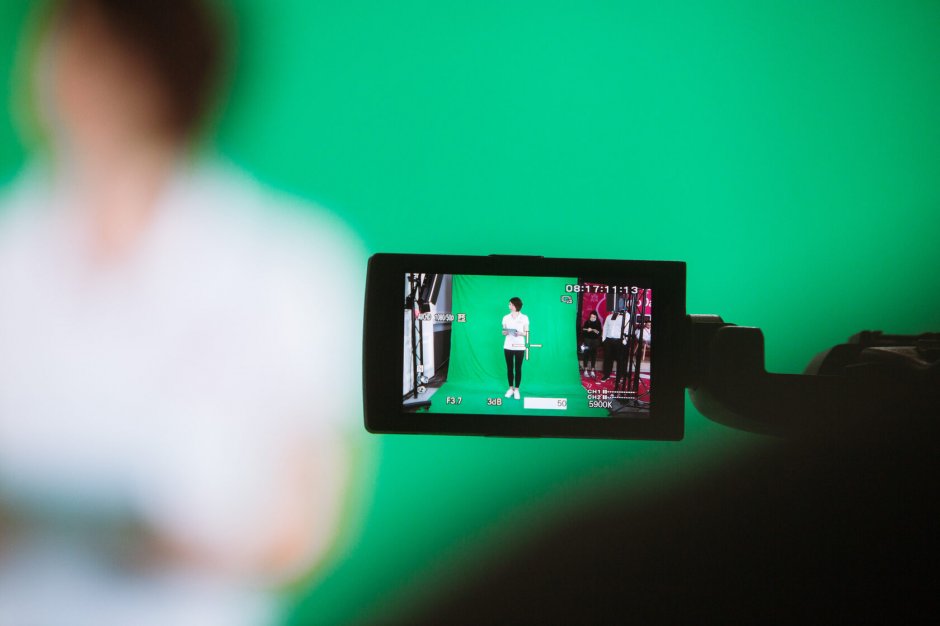
Our studio provides services of full production. We shoot commercials, do photo shoots for brands, and create animated videos. For each project, we assemble our own team led by a producer who is responsible for interaction with all parties of the process: first communicates with the client, then controls all stages of work on the product.
Usually three stages are spoken of, but it would be fairer to highlight five.
- Client briefing.
- Pre-production.
- Production, or filming period.
- Post-production.
- Delivery of work to the client.
To create a high-quality video, specialists of narrow profile work at each stage, responsible for their range of tasks.
Briefing
This is a preliminary stage of work, which includes the most active communication between the studio and the client. The client comes with a specific task that needs to be solved. Here our producers follow the rule: one job solves one task.
This means that the client will have to choose what message they want to convey to the audience, what goal the video will have: create a brand image, show product advantages, tell a story related to the product. Actually there are many options, and our producers will help choose the one that suits the company.
Next, it is necessary to decide on the platform where the video will be placed: social networks, TV broadcast, city video screens, or stands in shopping centers. For each platform its own format.
At this stage, producers also collect information about the brand's audience to whom the message will be addressed, and references that will guide the writing of the script and creation of the visual image.
At this stage, creative concepts are created (usually we defend three options before the client) and after that we move to pre-production.
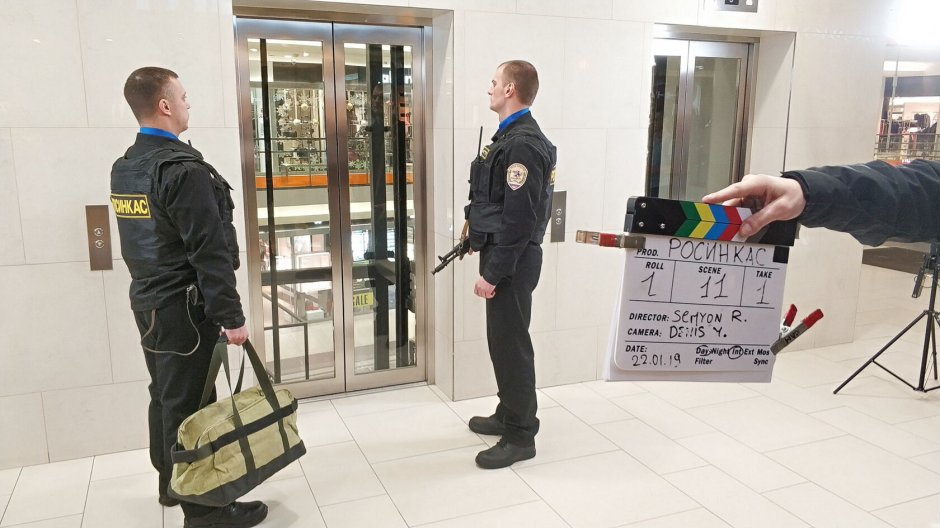
Pre-production
The most important and voluminous part of this stage is writing the script. First the producer writes a treatment. This is a kind of application for the future project, which describes the main actions, conflict, what qualities of the product or brand will be emphasized. There are no detailed dialogues in it. The main goal of the treatment is to captivate the client with the idea.
After the treatment - a draft script. It already includes dialogues, actions of actors in scenes and use of graphical elements.
After defending the draft script and making corrections, its final version is written, which is then given to the director. Based on it, he writes his own, director's script. Here the director indicates how the light will be set on set, what plans and angles to use in frames, how the camera will move and what music will be in the video. The final stage is creating a storyboard.
After the large script stage, the producer needs to assemble a team that will implement the project. In simple projects, the following may be involved on set: producer, director and his assistant, director of photography with his team, sound engineer, lighting technician and makeup artist.
Another headache for the producer is selection of locations. Shooting can take place both in an interior studio and in open spaces. Often the producer together with the director visits the location in advance to understand how to place cameras and lights.
When agreeing on the script, it may be necessary to purchase additional attributes and order costumes (rental or custom tailoring). This also falls to the producer.
Before the start of shooting, the producer and director meet again with the client to agree on all details: shooting location, duration of shooting shifts, selection of models and voice actors, purchase of necessary equipment and budget.

Production
Actually the shooting process itself. Its duration is calculated individually, based on the complexity of the project. Usually it takes 1-3 days. The director arranges shooting objects in the scene and shoots each, based on the shooting plan. The producer ensures that the entire team meets the allotted time and internally prepares for force majeure.
We would like them never to arise, because we carefully think through the shooting process. Unfortunately, there are many factors beyond human control. But we always find a way out of a difficult situation.
The client can be present during the shooting and observe how it goes. And it's also a great opportunity to take photos with professional lighting and shoot content for the brand's social networks, warming up audience interest in the upcoming project.
In some cases, rough editing is done right on set to show the client how the project will look in the end.

Post-production
The first thing to do in post-production is to edit the material. This is done by the editor. Together with the director and producer, he selects successful shots, and then makes a rough cut.
The next stage is approval of the rough cut. The director makes corrections from the director, producer and client. After approval, the video is sent for color correction, sound mixing, sound design and graphics creation for the project. After that - final editing and, after the phrase 'Go!', the video is sent to the client.
Delivery of work to the client
After delivery, the client has the right to send corrections. Usually we make them within a week. But we do content conscientiously, so this doesn't happen often.
And here are some works we did for our clients.
Tell us what video content you need, and we'll tell about our experience and suggest which option is suitable for solving your tasks.
