


To choose a venue for an online event, you need to determine:
- What tasks does the broadcast solve?
- Know the differences between platforms in functionality, accessibility, and convenience for participants.
Define goals. Discussion of an important topic by famous speakers? Launching your own online courses? Product presentation and sales? Most likely, you already have answers to these questions.
The second step will be choosing a reliable venue for the broadcast.Services in the 2023 market are similar in characteristics and prices, which makes the choice difficult. The standard set of system requirements can be reduced to
the ability to show presentations, having a chat, conducting polls, screen sharing, recording the broadcast, and enabling payment.
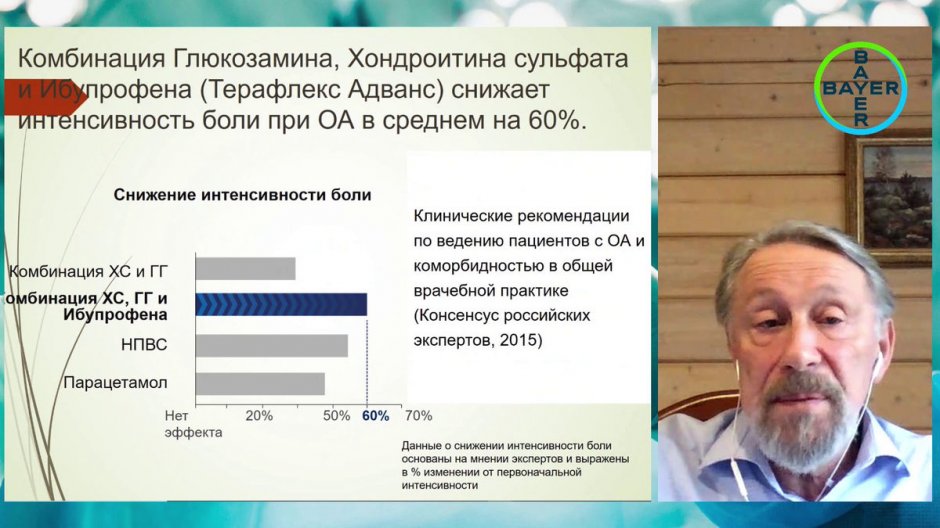
In conditions of similar functionality in the competitive struggle of services, those that differ even slightly from competitors win. For example, in the quality of technical support, signal transmission, and speed of feedback forms. A delay in sound and picture of even 5 seconds with a stable connection will affect the service's rating and lead to audience churn. No matter how high-quality the speaker's material, the viewer cannot perceive it if the sound and picture are poor.
Let's divide the platforms for webinars and broadcasts into three main categories and examine each in detail.
Social networks and YouTube
Streams on social networks are watched by hundreds of thousands of users daily. To maximize reach, Facebook and Instagram send notifications to users' friends and subscribers when someone goes live.
Pros of broadcasting via social networks: a large and active audience of the social network.
Cons: heterogeneity of the audience, limitation on supported resolution, lack of subscription, analytics, direct monetization capabilities, and multi-channel broadcasting.
Of all social networks, only YouTube is well indexed by search engines. Another advantage of YouTube is the ability to schedule a broadcast, which allows you to gather an audience in advance and send notifications.
Platforms for closed and paid broadcasts
Do you know the difference between VK, YouTube, Facebook and professional broadcast platforms?
Unlike social networks, specialized platforms provide IP and geolocation access restrictions, transcoding, video integration on the brand's website, technical support, and preservation of rights to your content without fear of it appearing on third-party resources.
Who works through paid platforms? For example, companies that produce series of educational webinars and sell access to them.
On platforms Boomstream and Facecast, you can launch large-scale closed broadcasts with subsequent sale of access to the air.
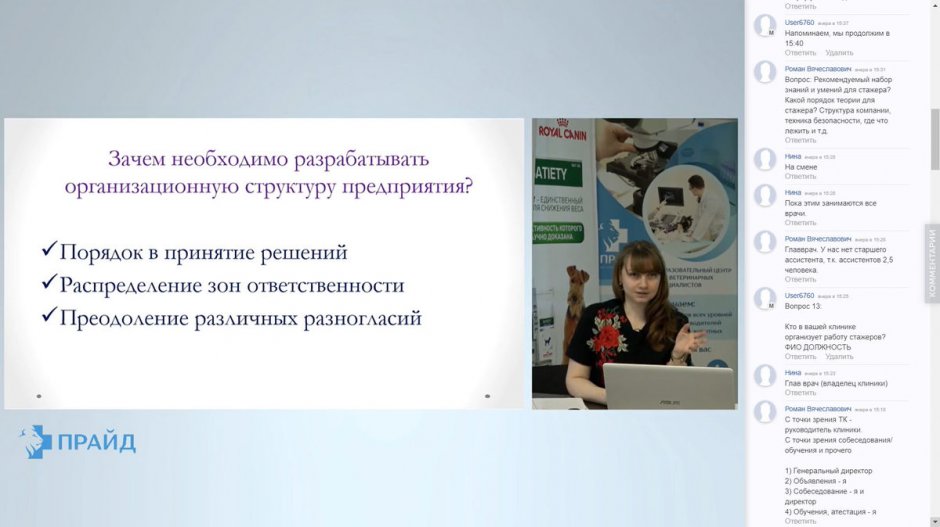
Zoom, Webinar, Bizon365
Zoom is a platform for video conferencing, especially popular in Europe and the US, where internet quality is higher. In Russia, the service is used for meetings, marketing, and educational webinars.
Let's briefly look at the strengths and weaknesses of the service. Pros: free plan for up to 100 participants, screen sharing, virtual backgrounds, screen sharing between multiple participants, calendar integration. Cons: the program cannot be used from a browser, requires additional software installation, the free package has time limits on sessions — up to 40 minutes, and the interface and platform support are not yet translated into Russian.
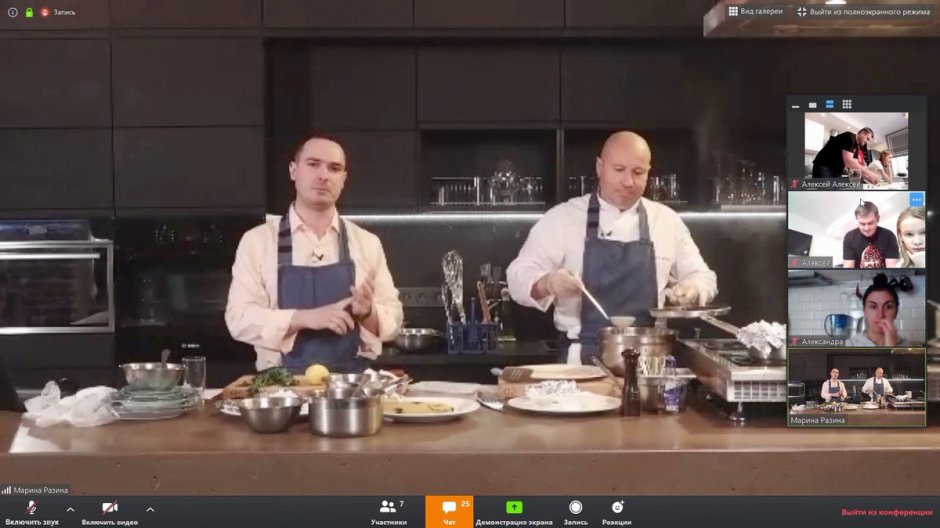
Webinar is the most popular platform in Russia for training and meetings. Unlike Zoom, it launches in a browser and does not require installation. Every day about 300 events take place on Webinar with a total number of participants up to 10 thousand people.
Pros: signal transmission with a delay of up to 1 second, access to an interactive whiteboard, polls, and screen sharing. It is possible to place a logo in the broadcast, connect analytics for analyzing user activity, and collect payments through the platform. The platform is intuitive and easy to learn. Demo access is available.
Main downside: price. The subscription cost of Webinar is fixed and significantly exceeds the offers of analogs, and among customer complaints there are interruptions when viewing in the app on mobile devices — loss or freezing of image and sound.
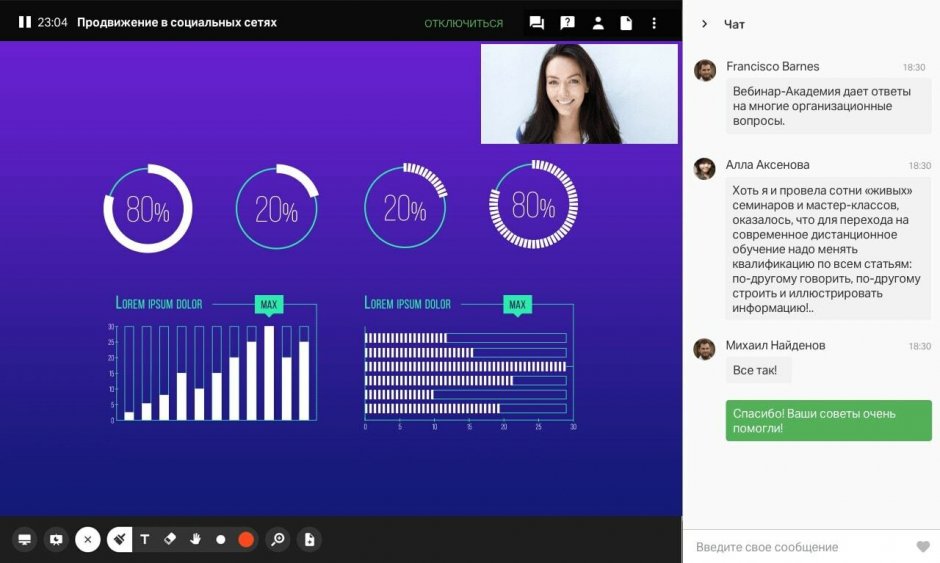
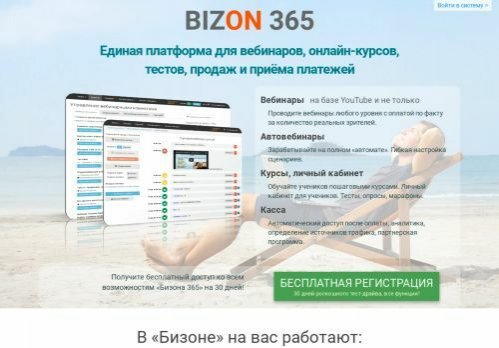
Bizon 365 is the third most popular platform. On Bizon 365, you can invite an unlimited number of participants to the room. The system automatically saves recordings via private YouTube access, has rich marketing functionality, a working presentation function, and can accept payment for training. Fixed fee per participant: 2 rubles, which is more profitable than monthly subscriptions.
Among the downsides: functionality and design are worse than Webinar and Zoom. Additional options are paid separately, such as registration pages and mailing.
Comparison table of platforms for webinars and broadcasts
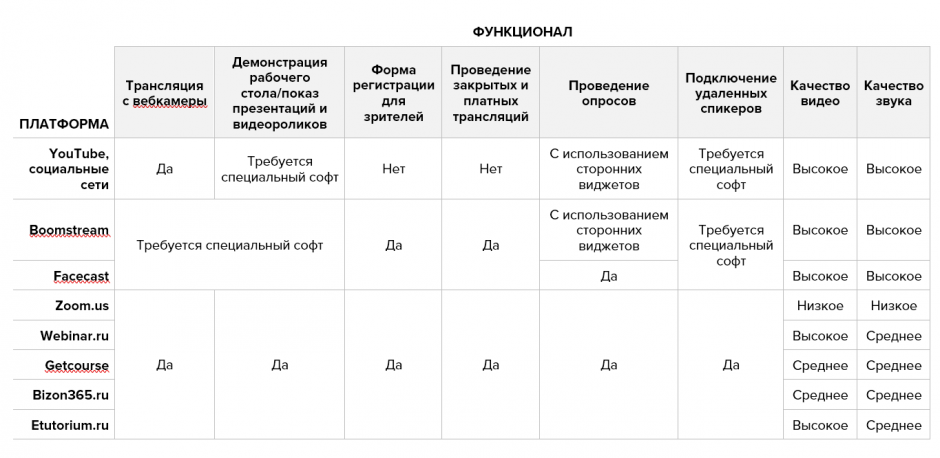
Which platform to choose for your webinar?
If the goal of the broadcast is to increase brand or event awareness, social networks are suitable. They will help gather a wide audience for free without collecting viewers' contact data.
Professional platforms Boomstream and Facecast are suitable for companies that sell access to content and viewers expect excellent picture and sound quality. For example, when organizing a concert broadcast.
For webinars, platforms like Zoom, Webinar, or Bizon365 are suitable. Average picture and sound quality, limited number of viewers are compensated by intuitive design and ease of connection. Each platform has manuals, and unlike social networks, registration forms and payment integration are available.
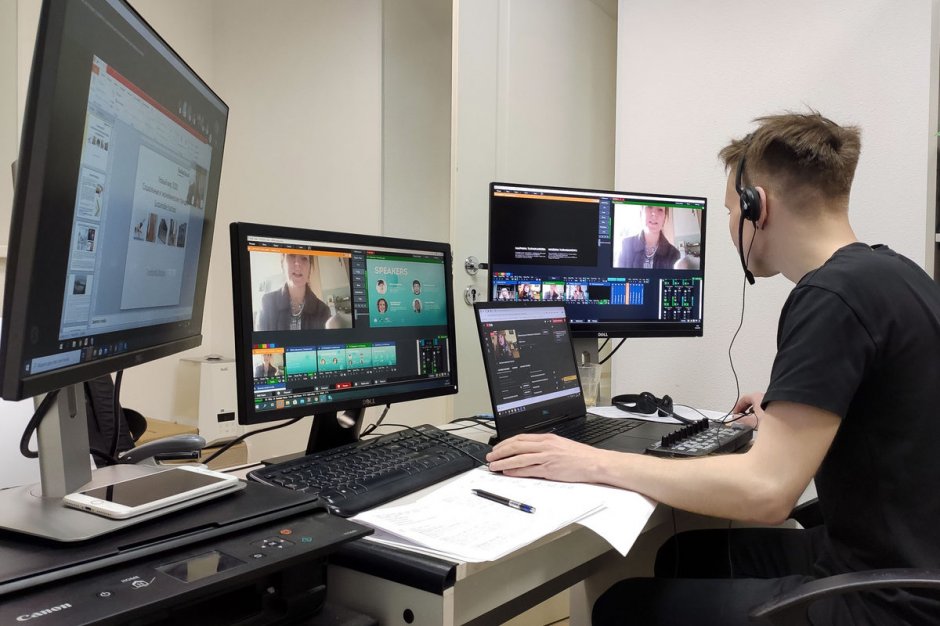
If you want to hold an event online with remote speakers at a high level, contact our company. We will organize a simple connection to the broadcast from anywhere in the world, show presentations and any other speaker materials on air, set up group discussion, voting, and design the broadcast graphics.
Trust the technical part of organizing a webinar to professionals and focus on other important tasks.
More about online broadcasts — here.
